Consumers expect Amazon-level self-service everywhere. When your warranty process still requires a phone call, an email, and three follow-ups, it feels broken. Frame self-service as the new baseline — not a nice-to-have.
Why 2026 is the tipping point
- Millennial and Gen Z buyers strongly prefer self-service (cite Salesforce / Zendesk consumer research)
- Labor cost pressure on customer service teams
- AI / automation makes self-service actually work for edge cases
- Extended warranty programs need scalable enrollment
The 5 things a self-service warranty portal must do
- Product registration in under 90 seconds
- Coverage check by serial number without login
- Claim submission with guided intake (photo, symptom, urgency)
- Real-time claim status tracking
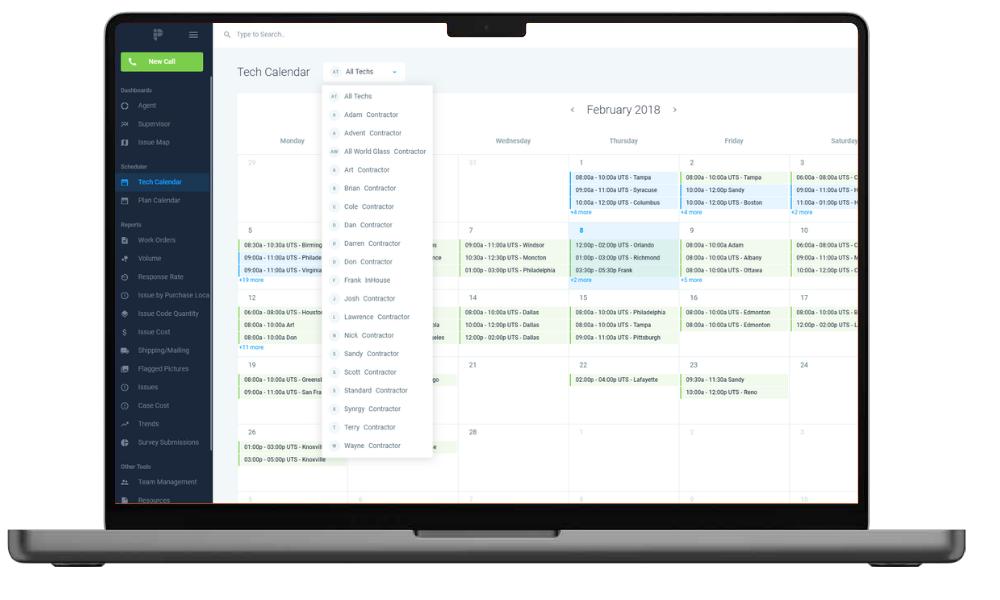
- Repair scheduling with the customer’s chosen technician
What great portals also do (differentiators)
- Multi-language support
- Mobile-first / installable PWA
- SMS status updates (not just email)
- Integration with smart-device diagnostics
- Escalation path to a human when self-service fails
The business impact — real numbers
- 40–60% deflection of routine claims from call centers
- Post-claim NPS 15–25 points higher on self-service claims
- 3x faster claim resolution when submission is complete on first try
- CSR headcount avoidance at scale
How to launch a self-service warranty portal (30/60/90-day plan)
Practical rollout guidance — start with registration, add coverage check, then claim intake, then status tracking.
See what a modern self-service warranty portal looks like → Book a demo of InsightPro.