Appliance warranty is a high-volume, high-visibility program — one bad quarter of dishwasher recalls or ice-maker defects can wipe out margin for the year. Frame the manufacturer perspective (not the retailer / TPA perspective that dominates the SERP).
Why appliance warranty is a strategic problem
- Retailer chargebacks are unforgiving and time-sensitive
- Multi-channel claims (retailer, e-commerce, direct-to-consumer, service network)
- Extended warranty programs from third parties complicate coverage checks
- High online review sensitivity — a slow claim becomes a viral complaint
- Diagnostic complexity (smart appliances, connected diagnostics)
The 6 most common claim types in appliances
- First-year defect (out-of-box failures)
- Motor/compressor / heating-element failure
- Electronic control board failure
- Ice maker/water dispenser issues (refrigerators)
- Cosmetic damage claims
- Installation and delivery damage disputes
6 best practices for appliance warranty management
- Centralize claims across retailer, DTC, and authorized service networks
- Auto-validate coverage against serial number + purchase channel
- Standardize failure-code taxonomy for engineering feedback
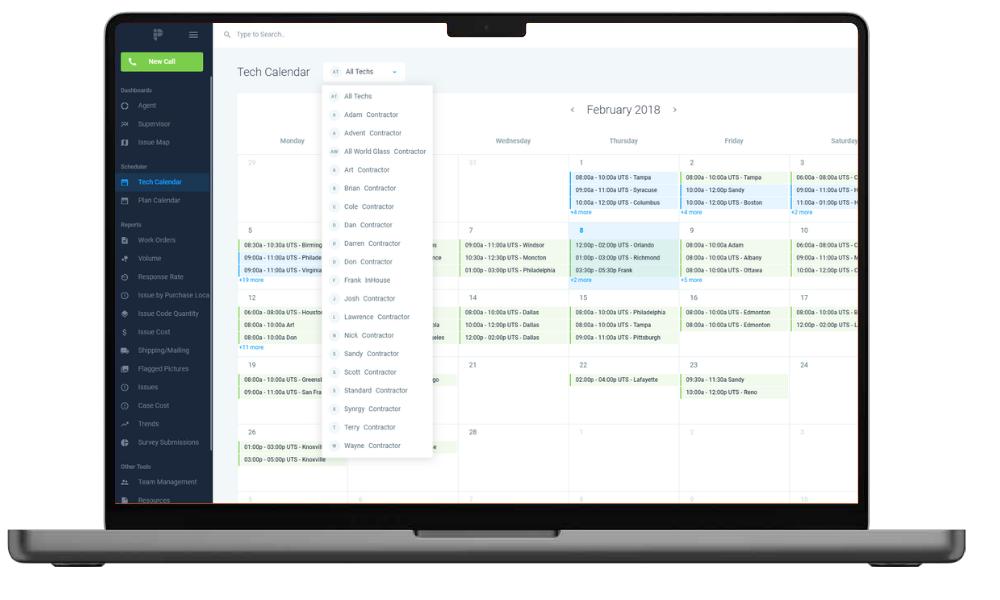
- Manage authorized-service-agent (ASA) network from the same system
- Track parts-only vs parts+labor claim mix by SKU
- Feed connected-appliance telemetry into predictive claim detection
Appliance-specific warranty KPIs
First-year claim rate, ASA authorization time, parts fulfillment SLA, retailer chargeback rate, extended warranty attach rate.
What to look for in appliance warranty software
API integrations with retailer portals, ASA network management, parts inventory, connected-device support.
See how appliance manufacturers cut warranty costs and shorten retailer disputes with InsightPro → Schedule a demo.